What’s The Difference Between Tapered And Gasket Seat Spark Plugs? - Jalopnik
inge-klikt/Shutterstock Understanding spark plugs goes beyond selecting the plug type, comparing platinum and iridium varieties, and considering their heat ...
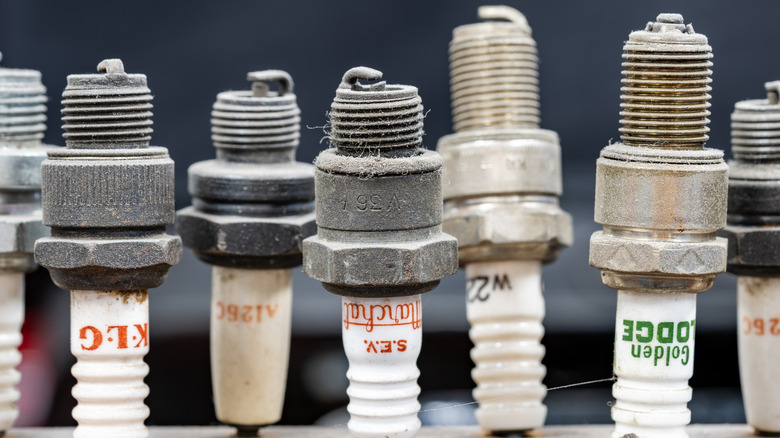
inge-klikt/Shutterstock
Understanding spark plugs goes beyond selecting the plug type, comparing platinum and iridium varieties, and considering their heat ranges. Combustion produces enormous heat, and the temperature in the combustion chamber of a running engine can reach 1500 to 3000°F (815 to 1648°C). The plugs conduct some of the heat away from the electrodes to the insulator and metal shell. The latter has threads that screw into the cylinder head, with the heat dissipating further into the circulating coolant inside the water channels.
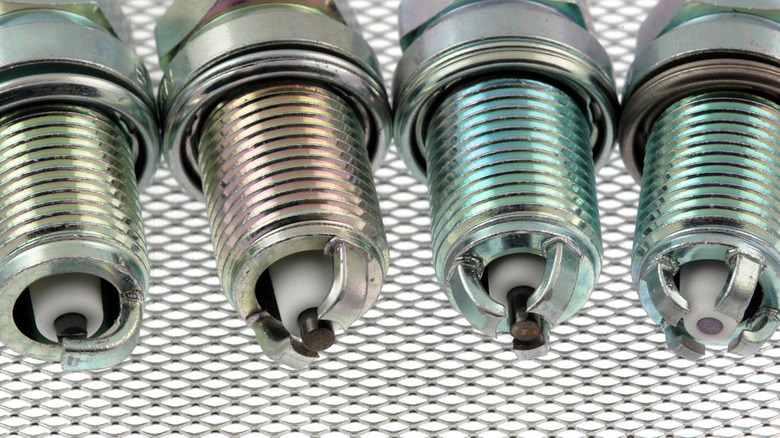
With that in mind, it's of utmost importance that the metal shell makes a near-perfect seal to the cylinder head, which brings us to the third major function of a spark plug: it seals the combustion chamber against leaks. It does so by having a tapered or gasket seat. Spark plugs with a flat or gasket seat have crushable gaskets to seal the combustion chamber. On the other hand, tapered plugs don't have gaskets and rely on their angled metal shoulders to seal against angled ports on the cylinder head.
Are tapered and gasket plugs interchangeable?
Menzhynskyi/Shutterstock
No, tapered and gasket plugs aren't interchangeable. An engine can specifically accommodate tapered or gasket plugs. Tapered plugs are for engines that are designed with a tapered seal on the cylinder head. In contrast, plugs with gasket seats are for engines designed with gasket seats in the cylinder head. Consult the owner's manual to find the recommended spark plugs for your car, and stick with them.
As you can probably guess, interchanging or using the wrong spark plug seat can be catastrophic to an engine. Force-fitting the wrong spark plug will not only damage the threads but also lead to compression loss and blow-by. When that happens, the engine can misfire persistently and place unnecessary strain on the engine, transmission, and drivetrain, which may lead to more severe and costlier damage.
Moreover, DIYers should be careful when installing gasket-equipped spark plugs into the engine. The gaskets are designed to "crush" when torquing the plugs to factory specs, and that's how they seal the combustion chamber. Follow the vehicle manufacturer's recommendations when replacing or reinstalling spark plugs to ensure the seal remains intact and prevent potential compression leaks. Spark plugs with tapered, gasket-less seats also need to be torqued to spec when installing, with overtightening being the primary cause of cracked aluminum cylinder heads.