Cows’ diets influence omega-3s and other fatty acids, study shows
When you pick up a gallon (3.8 liters) of milk at the store, the nutrients it contains may depend on both what's on the label and the time of year. A new study reports that omega-3 fatty acids are highest ...
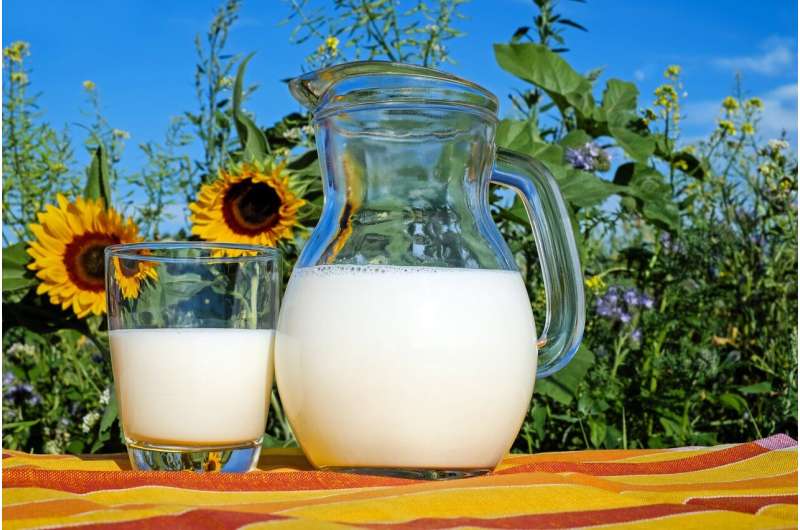
When you pick up a gallon (3.8 liters) of milk at the store, the nutrients it contains may depend on both what's on the label and the time of year. A new study reports that omega-3 fatty acids are highest in milk labeled as organic grass-fed and lowest in conventionally produced milk. Other fatty acids varied by dairy production method and season.
"These findings contribute to a greater understanding of the role that production systems may play in determining the nutritional composition and potential nutritional value of milk," said Emily Youngmark, MS, a Ph.D. student at the University of Vermont. "The observed differences in fatty acid composition may represent one factor consumers consider when choosing milk products."
Youngmark will present the findings at Nutrition 2026, the flagship annual meeting of the American Society for Nutrition, held July 25–28 in National Harbor, Maryland, just outside Washington, D.C. Youngmark conducted the study with Jana Kraft, Ph.D., associate professor at the University of Vermont.
U.S. consumers can often find a large array of options in the dairy aisle, but the differences among them are not always clear. Since products marketed as organic, grass-fed or pasture-based are often sold at premium prices and promoted as having nutritional advantages, the researchers sought to find out whether production systems actually influence milk composition.
Over the course of a year, the team collected more than 300 samples of milk sold by retailers across Vermont and New York. Using information from dairy producers and product labels, they categorized each sample as conventional (63 samples), organic (111), organic grass-fed (91) or non-organic, pasture-based (40).
On average across all seasons, organic grass-fed milk contained significantly more omega-3 fatty acids than all other milks, providing 88 milligrams per serving compared with 25 mg per serving in conventionally produced milk. By contrast, omega-6 fatty acids were highest in conventionally produced milk, which contained 166 mg per serving versus 92 mg per serving in organic grass-fed milk. While both types of fatty acids are part of a healthy diet, experts recommend focusing on increasing omega-3 intake, which is linked with a reduced risk of heart disease, type 2 diabetes and inflammation.

The fatty acid composition of non-organic, pasture-based milk was generally comparable to organic milk, with some seasonal variation. In general, it appears that cows with more access to pasture and fresh forage produce milk with more beneficial fatty acids. Variation in nutritional composition throughout the year likely results from seasonal differences in forage quality.
Although the results revealed significant differences in fatty acid composition among milk samples, researchers noted that the health implications of these differences remain uncertain. Further studies would be needed to determine whether regularly consuming certain types of milk leads to measurable improvements in health outcomes.
"It is important to put these findings in perspective. While the differences we observed may be nutritionally relevant, they are unlikely to produce major health effects on their own. Rather, the fatty acid composition of organic grass-fed milk may contribute as one component of an overall healthy dietary pattern and lifestyle," said Youngmark.
Conventional milk has no formal definition but generally refers to milk produced from intensively managed dairy systems. Certified organic milk is produced under federally regulated standards that prohibit the use of pesticides, genetically modified feeds and most synthetic additives and require pasture access for at least 120 days per year.
Organic grass-fed certification imposes additional requirements, including pasture access for at least 160 days per year and the exclusion of grain products from feed. The term "pasture-based" can appear on both organic and non-organic milk; non-organic, pasture-based milk production systems emphasize pasture access but are not certified organic.
More information
Abstract: The Nutritional Value of Milk Fat is Affected by Season, Production System, and Their Interaction
Who's behind this story?

BA art history, MA material culture. Former museum editor, paramedic, and transplant coordinator. Editing for Science X since 2021. Full profile →

Bachelor's in mathematical biology, Master's in creative writing. Well-traveled with unique perspectives on science and language. Full profile →
Citation: Cows' diets influence omega-3s and other fatty acids, study shows (2026, July 27) retrieved 27 July 2026 from https://phys.org/news/2026-07-cows-diets-omega-3s-fatty.html
This document is subject to copyright. Apart from any fair dealing for the purpose of private study or research, no part may be reproduced without the written permission. The content is provided for information purposes only.