Bundelkhand: Caste divides make scorching summers harder in a parched corner of India
Image source, Seraj AliImage caption, Mamta, from the Dalit (formerly untouchable) community, says access to water in her village becomes harder in the summersA couple of months ago, just after sunrise, 40-year...
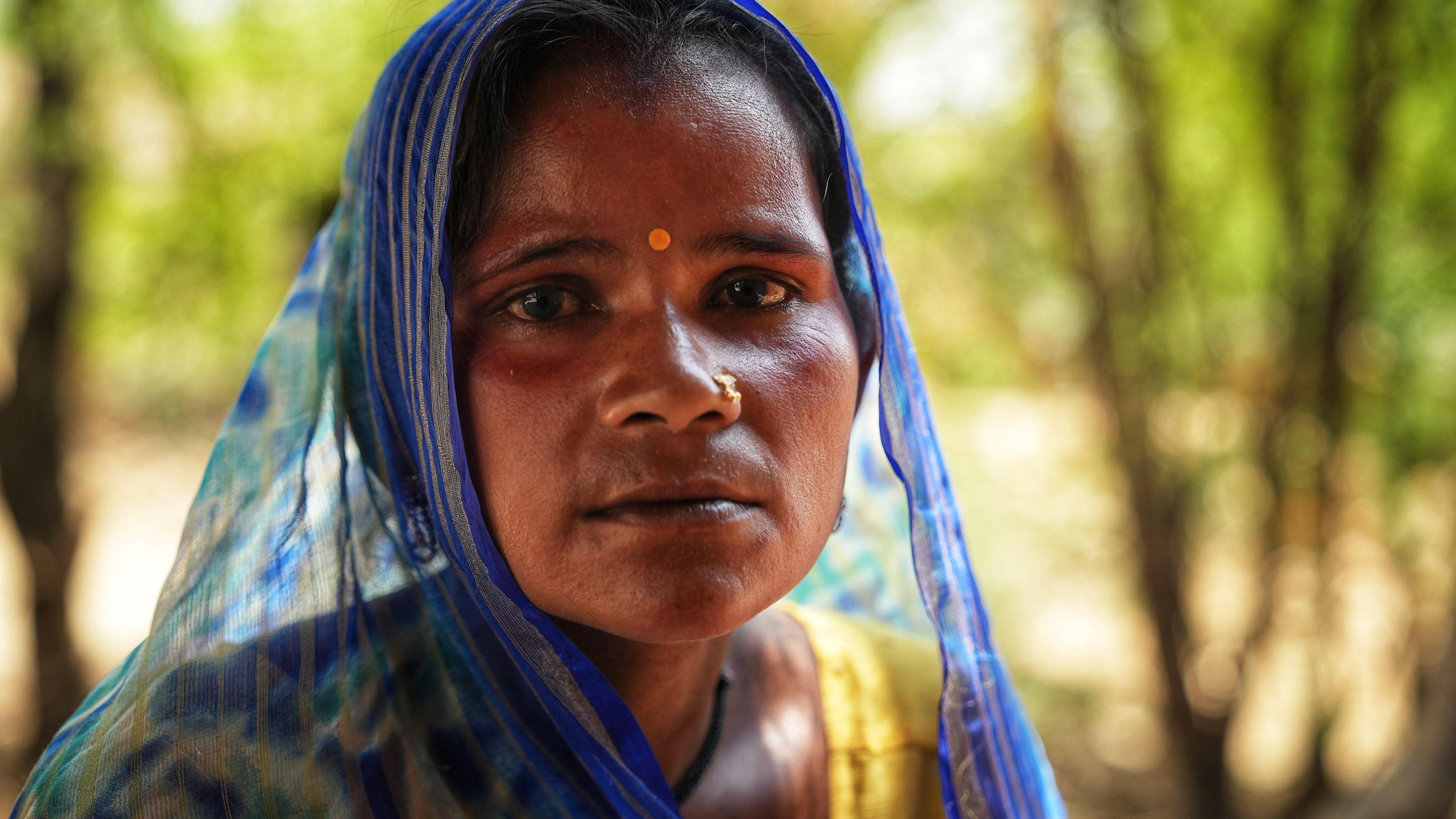 Image source, Seraj Ali
Mamta, from the Dalit (formerly untouchable) community, says access to water in her village becomes harder in the summers
A couple of months ago, just after sunrise, 40-year-old Mamta began the first of as many as 10 journeys she would make that day.
Carrying three empty plastic buckets, she walked a few hundred metres to the nearest handpump in her village in Jalaun district, in the drought-prone Bundelkhand region of northern India. Temperatures in parts of the region were soaring above 40C.
The taps installed under a government drinking water scheme had been dry for two years, she said, leaving most of the village's 1,000 residents dependent on a handful of handpumps.
Mamta said collecting enough water for her 11-member family and their livestock took hours. But the heat was not her only obstacle.
Mamta belongs to the Valmiki community, part of the Dalits - groups once regarded as "untouchable" under India's centuries-old caste hierarchy and which continue to face widespread discrimination.
She said she waited until members of the village's dominant castes finished using the handpump before approaching it.
"If they are standing there, we cannot fill water. We have to wait until they leave," she said.
Afterwards, she said, some upper-caste residents poured water over the pump to "cleanse" it.
"It has been happening for decades."
Bundelkhand, a semi-arid region that spans several districts in the states of Uttar Pradesh and Madhya Pradesh, is notoriously drought-prone. It faced several major droughts between 2002 and 2016, making it almost a symbol for water scarcity in a country where several regions face similar hardships.
The rocky terrain of the Bundelkhand plateau means it can store little groundwater. Erratic rainfall and hotter temperatures have also made access to water unpredictable despite several government and community-led conservation efforts.
A study of more than a century of weather records found temperatures had risen across almost the entire region, and in recent summers, parts of Bundelkhand have neared 48C.
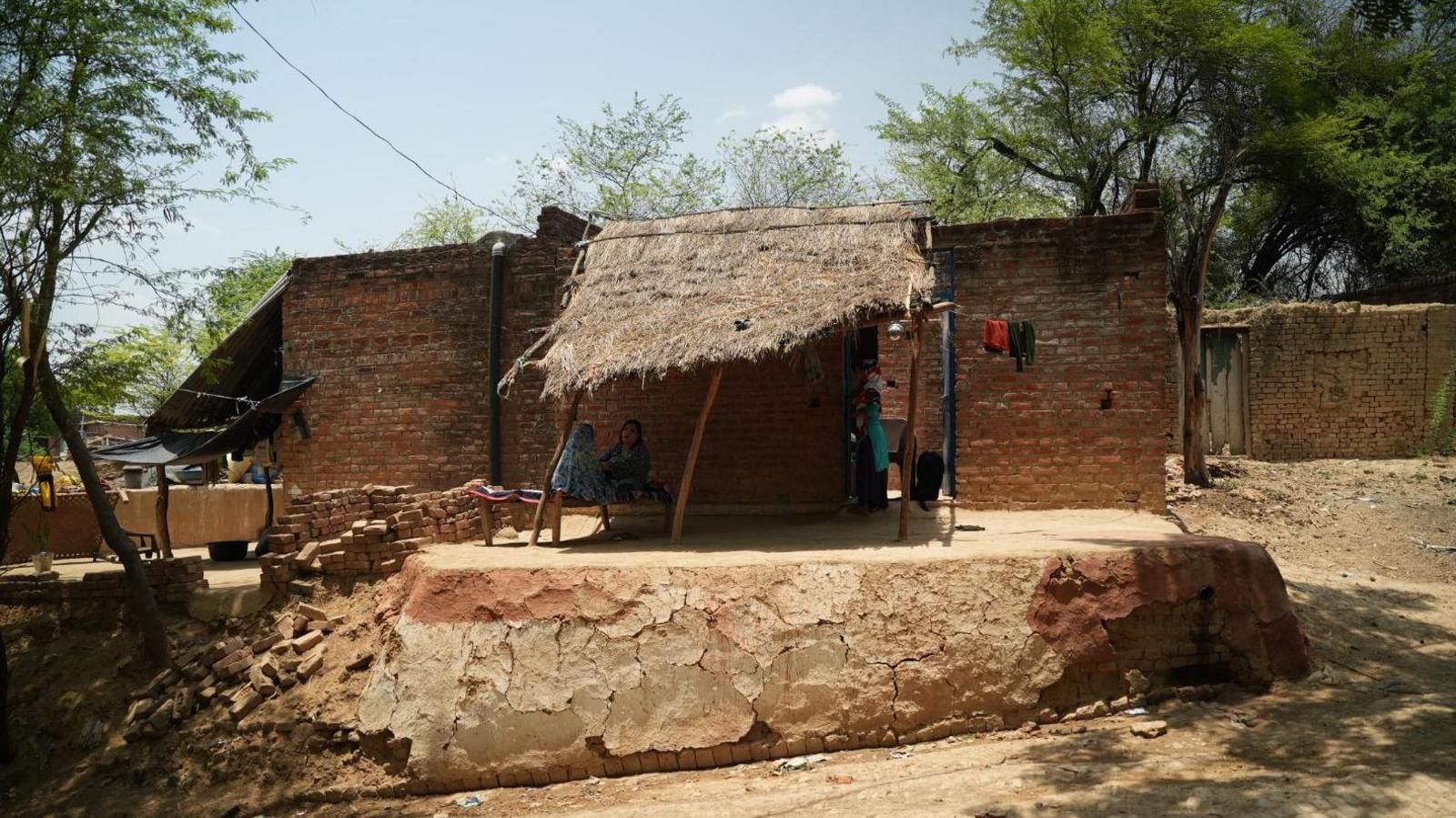 Image source, Seraj Ali
Bundelkhand is a dusty and rocky region where temperatures often climb above 40 degrees
Residents and researchers say worsening heat and water stress are putting new pressure on an old divide.
As more families compete for scarce shared water, Dalits who have long faced barriers in accessing it are encountering those inequalities more often.
"Conflict over water is not new," said Mitashi Singh of the Centre for Science and Environment.
"What is changing is the role hotter summers are playing in making water scarcer and intensifying tensions that already existed."
Local officials reject claims that the region faces water shortages or caste discrimination at public water sources.
Dominant-caste residents interviewed by the BBC also denied discriminating against others, although they acknowledged growing pressure on water supplies.
Ram Gopal Singh, who is in his 50s, pointed to several abandoned village wells.
"These wells have been dry for almost 20 years," he said. Other sources had dried up or become polluted, while unreliable tap connections had pushed more families towards handpumps.
Everyone tried to collect water in the cooler morning hours, he said, leading to arguments over turns and how much each family could take.
"But there is no caste-based dispute at these handpumps," he insisted.
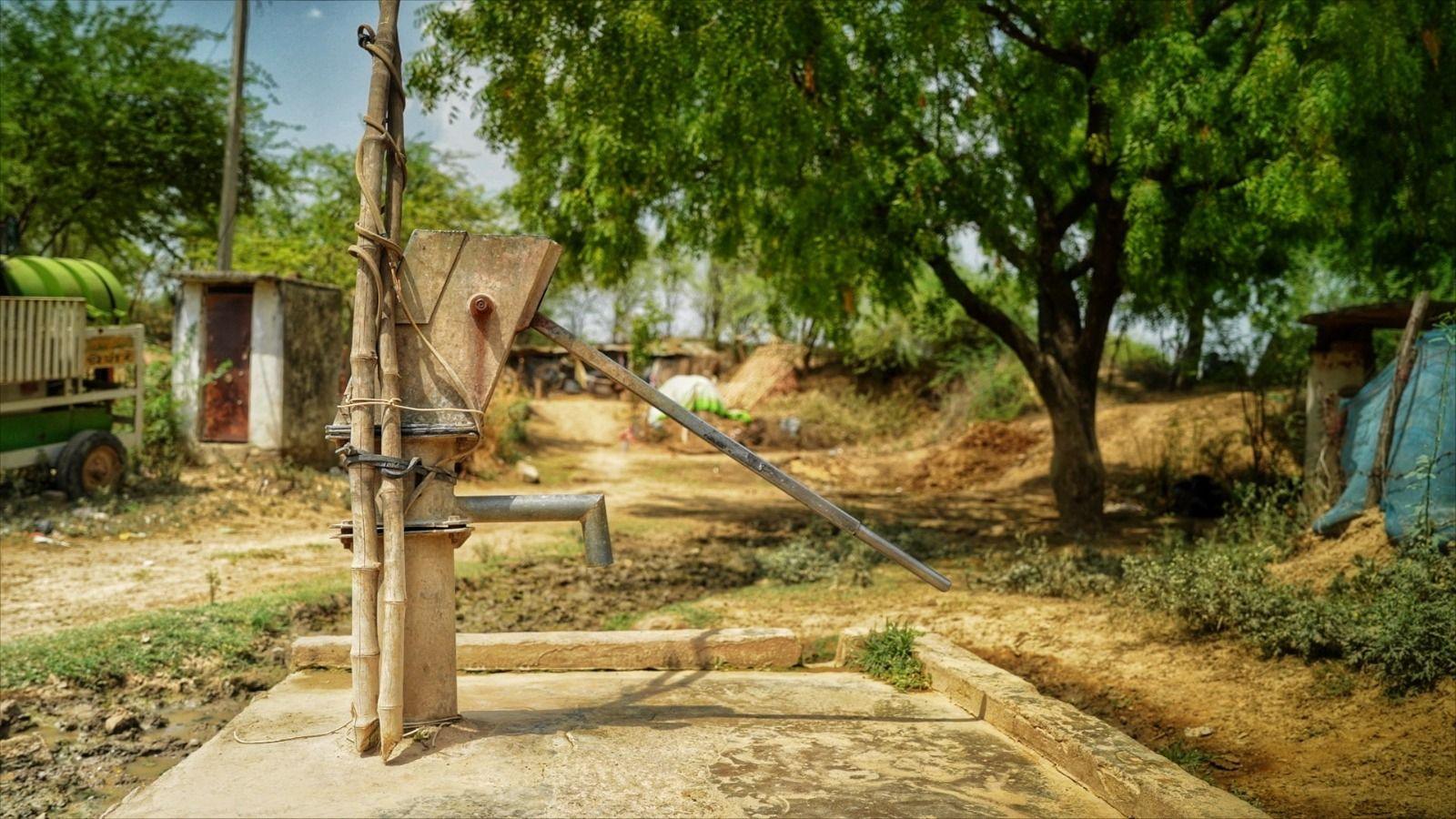 Image source, Seraj Ali
There are just a handful of handpumps in Mamta's village
Dalit residents interviewed by the BBC described something different.
There is no formal queue at the pumps, they said. Instead, families try to collect water at different times to avoid confrontations.
Mamta said she usually went very early in the morning or late in the afternoon.
"The fear of being targeted stays with me throughout," she said.
About 50km away in Shahjahanpur, Shiv described a similar experience.
He said members of his community would not approach the handpump while dominant-caste families were using it.
"No matter how hot it is, even if we have to wait for hours for one bucket of drinking water, we wait because we do not have a choice," he said.
In summer, when his family needed more water, those waiting periods became more frequent.
"Even if my parents are thirsty, we sometimes wait for hours before we can drink."
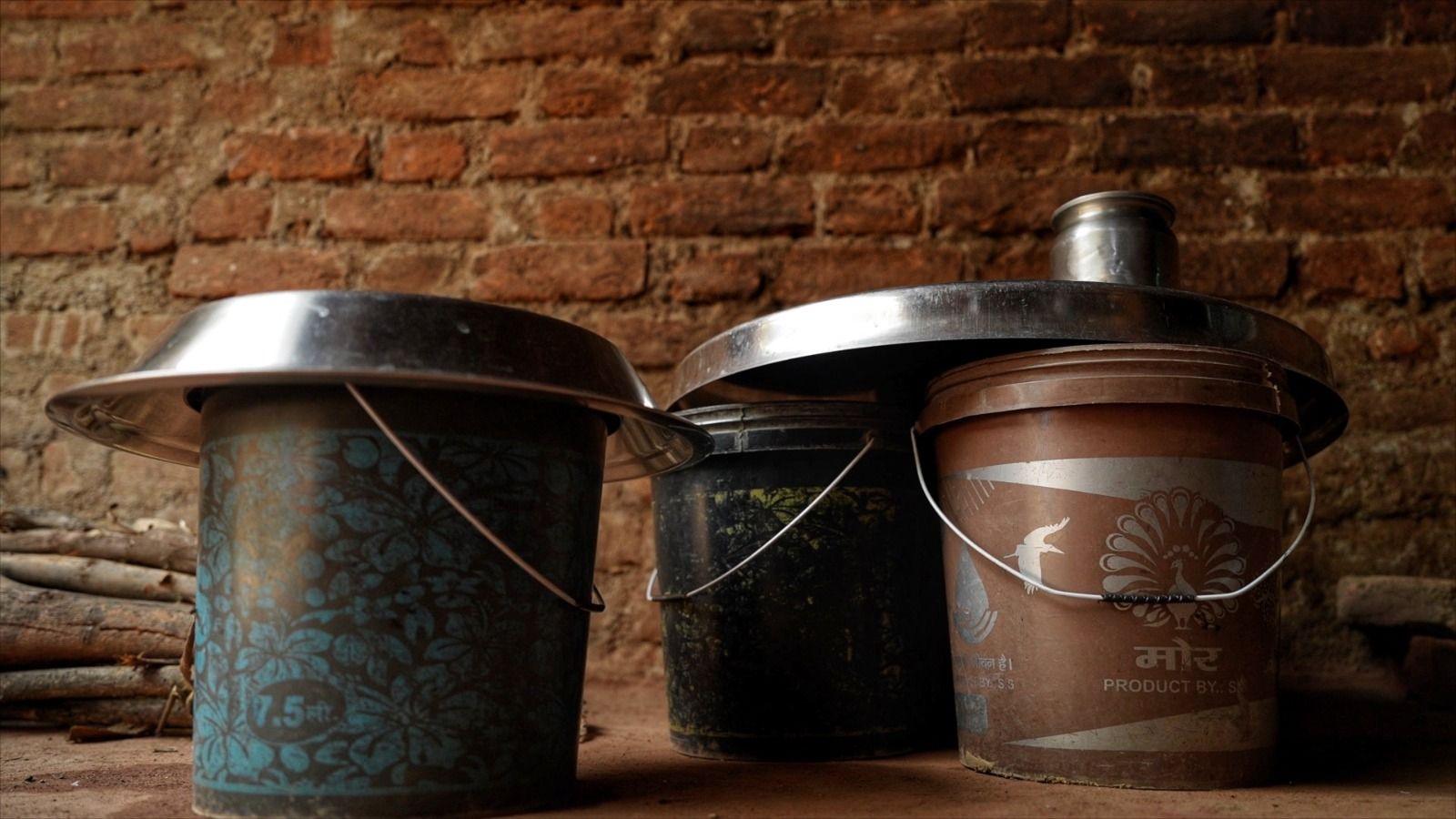 Image source, Seraj Ali
Mamta says she either goes early in the morning or late in the afternoon to fill her buckets
Three years ago, Shiv's mother Parmi Devi said she was assaulted after an argument with a member of a dominant caste at a village handpump.
"I was thrashed and beaten up and thrown on the ground three times," she alleged.
"It was not just about water. It was because of our caste."
Devi filed a police complaint alleging assault. No arrests have been made yet.
Such disputes have surfaced repeatedly in complaints documented by the Dalit Dignity and Justice Centre (DDJC), a non-profit organisation in Uttar Pradesh.
The group said police registered 113 cases under India's law against caste-based atrocities in the area in 2025.
Kuldeep Singh Baudh of DDJC told BBC Hindi a majority of the complaints it tracked during the hottest months of May and June involved water, though the organisation has not published a detailed breakdown.
"To truly understand [the heat's] impact, you have to see it from the perspective of the communities that are the most excluded," he said.
The office of District Magistrate Rajesh Kumar Pandey rejected the allegations.
"There is not even one instance wherein caste-based discrimination is being practised when it comes to access to water in the region," it said in a statement.
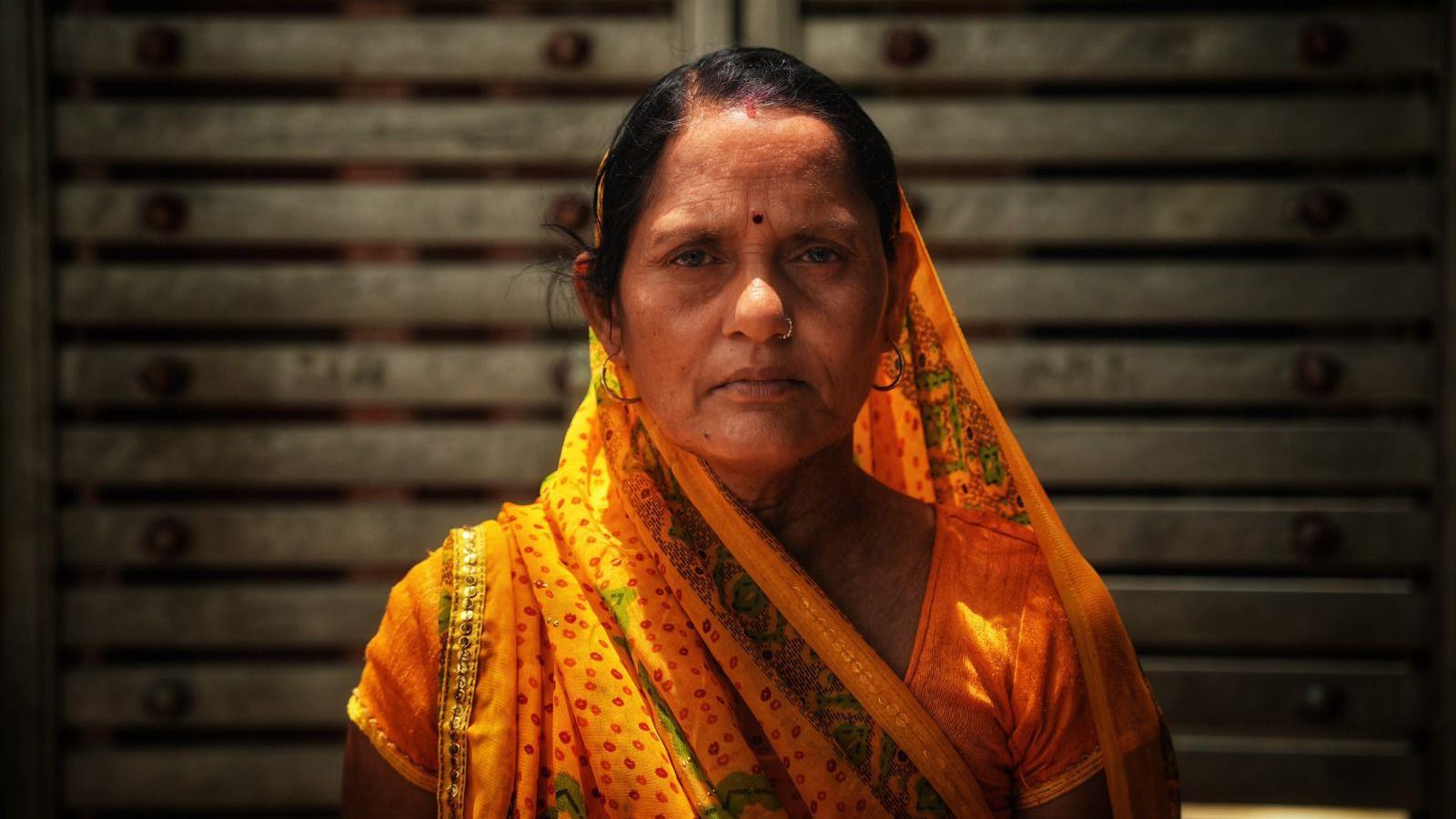 Image source, Seraj Ali
Shiv's mother Parmi Devi was allegedly assaulted for using a handpump
The statement also disputed claims of water shortages, pointing to the federal government's Jal Jeevan Mission, which aims to provide piped drinking water to every rural household, and other local efforts to restore ponds and recharge groundwater.
There have also been wider efforts to tackle Bundelkhand's water crisis. Traditional water bodies, including ponds and check dams, have been revived across the region, while women-led groups known as Jal Sahelis work in villages to monitor supplies and promote water conservation.
Mukul Sharma, a researcher on caste and environmental politics, said increasing water supplies was only part of the solution.
Climate change is "not the origin of these injustices, but a threat multiplier", he added.
More water alone will not solve the problem if caste still shapes who gets to use it, Sharma said.
That morning in May, Mamta waited beside the handpump as other families filled their buckets, three empty plastic containers at her feet.
In cooler months, she said, she made the journey only a few times a day. In summer, it could be eight or 10, each trip determined partly by who was already at the pump.
When her turn came, she filled her buckets and carried them home. Later that day, she would return.